New Life for an Old Drug: DFMO Brings Hope to Children with Bachmann-Bupp Syndrome
A decades-old medication originally formulated to tackle sleeping sickness is now emerging as a surprising beacon of hope for children battling an ultra-rare and life-threatening genetic condition called Bachmann-Bupp syndrome (BABS). Known as DFMO, this drug is being repurposed to directly target the root genetic malfunction behind BABS. Early treatment of a small group of patients has delivered encouraging outcomes, yet the path forward is complicated by regulatory and logistical obstacles, as explored in the section on challenges.
What is Bachmann-Bupp syndrome, and why is it so rare?
Bachmann-Bupp syndrome (BABS) is an ultra-rare genetic disorder caused by a specific mutation in the ODC1 gene, which disrupts normal cell growth and metabolism. This condition affects a tiny fraction of the population—fewer than a hundred known cases worldwide—making it extremely difficult to diagnose and study. Children with BABS often experience severe symptoms like developmental delays, seizures, abnormal hair growth, and gastrointestinal complications. Its rarity means that dedicated treatments have been virtually nonexistent, leaving families with few options. The syndrome’s name comes from the researchers who first described it, and it is life-threatening because the underlying genetic error can lead to progressive multi-system failure if not addressed.
How does DFMO, a sleeping sickness drug, work against BABS?
DFMO (difluoromethylornithine) was originally developed to combat African sleeping sickness by inhibiting an enzyme called ornithine decarboxylase (ODC). In BABS, the mutated ODC1 gene causes overactivity of the same enzyme, leading to an accumulation of polyamines that damage cells. DFMO steps in to block this excessive enzyme activity, effectively tamping down the polyamine overload. By targeting the exact genetic malfunction behind BABS, DFMO addresses the condition at its molecular source rather than just managing symptoms. This mechanism represents a classic example of drug repurposing—using a known compound for a new therapeutic purpose. The drug’s safety profile from its historical use makes it a particularly attractive candidate for rapid deployment in this rare disease context.
What early results have been seen in patients treated with DFMO for BABS?
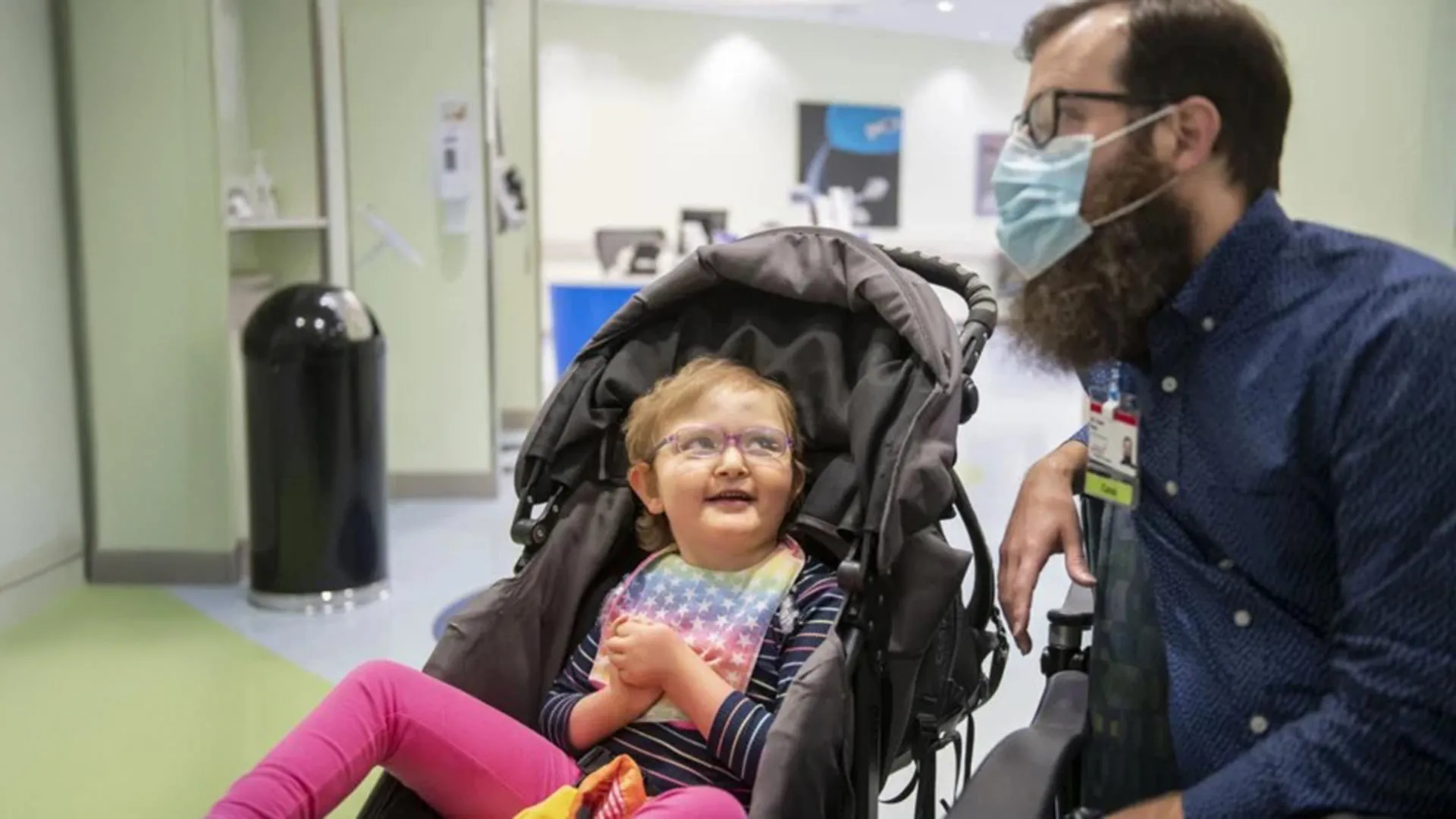
Preliminary treatments in a handful of children with BABS have shown remarkably encouraging outcomes. Physicians reported improvements in key symptoms such as seizure frequency, developmental milestones, and overall growth patterns. Some children experienced fewer gastrointestinal issues and better neurological function, with families describing a return to more normal activity levels. Laboratory tests also indicated a reduction in polyamine levels, confirming that DFMO was having its intended biochemical effect. However, these results come from an extremely small number of patients, so they are not yet statistically robust. Despite this, the consistency of positive responses across treated individuals has fueled cautious optimism. Researchers are now eager to expand the study, but the limited supply and regulatory status of DFMO present significant barriers to larger trials.
Why is DFMO considered a “forgotten” drug?
DFMO fell into relative obscurity after its primary use for sleeping sickness was largely supplanted by newer, more effective treatments. Its development was never fully commercialized for widespread conditions because polyamine inhibition did not prove as broadly useful as hoped in cancer or other common diseases. Manufacturing of DFMO dwindled, and the drug became difficult to obtain, especially in the quantities needed for chronic therapy. As a result, it remained a niche medication, mostly known to specialists in tropical medicine. This forgotten status means that when researchers identified its potential for BABS, they faced hurdles in sourcing the drug, ensuring consistent quality, and navigating regulatory pathways that assume a drug is already accessible. The rediscovery of DFMO for BABS spotlights how many overlooked agents could be revived for modern rare-disease medicine.
What regulatory and logistical challenges are slowing progress for DFMO in BABS?
Despite promising early results, advancing DFMO as a treatment for BABS has been hampered by multiple obstacles. Regulatory agencies require rigorous clinical trials to confirm safety and efficacy, but the ultra-rare nature of BABS makes enrolling enough patients for a standard trial nearly impossible. Furthermore, DFMO is not FDA-approved for this indication, so doctors must navigate compassionate-use protocols and individual investigational new drug applications—a time-consuming and costly process. Logistically, the drug is produced in limited quantities by a single manufacturer, leading to supply shortages and high costs. Insurance coverage is uncertain, and families often face out-of-pocket expenses. Additionally, dosing guidelines for children with BABS have to be established from scratch, as historical adult sleeping sickness doses may not translate. These barriers underscore the need for streamlined orphan drug policies and public-private partnerships to accelerate access to repurposed therapies like DFMO.
What does this repurposing mean for the future of rare disease treatment?
The story of DFMO and BABS illustrates a powerful model for addressing ultra-rare genetic disorders. Instead of developing costly new drugs from scratch, repurposing existing medications can dramatically cut development time and cost, while leveraging known safety data. This approach is especially vital for conditions affecting a handful of patients worldwide, where traditional pharmaceutical incentives are minimal. If DFMO’s efficacy is confirmed through larger studies, it could pave the way for other “forgotten” drugs to be tested against genetic diseases with similar enzyme dysregulation. It also highlights the importance of maintaining and documenting historical drug libraries, as many compounds may hold hidden therapeutic value. Ultimately, this case demonstrates that creative reuse of old medicines can ignite new hope for families who previously had none, shifting the paradigm from “no treatment” to “repurposed possibility.”
How can families of children with BABS seek access to DFMO today?
For families currently navigating a BABS diagnosis, the first step is to contact a medical geneticist or specialist familiar with the condition. These experts can apply for compassionate use of DFMO through the drug’s manufacturer or through research programs like those run by the National Institutes of Health. Patient advocacy groups focused on BABS have also been instrumental in connecting families to ongoing clinical studies and informing them about regulatory avenues. It is crucial to document the child’s symptoms, genetic confirmation, and any previous treatments, as this information supports applications for expanded access. However, families should be prepared for delays and paperwork, as each request is handled individually. Early consultation with a clinical trial coordinator can also help identify if the child qualifies for any formal studies. Despite the hurdles, the growing network of researchers and advocates is steadily working to make DFMO more accessible.