Why HBO's 'Rome' Remains a Masterpiece of Historical Drama and a Hidden Gem
Introduction
HBO has long been synonymous with groundbreaking television, from The Sopranos to The Wire. Yet among its storied lineup lies an epic historical drama that boasts a stellar 94% Rotten Tomatoes score but never quite achieved the mainstream recognition it deserved. That series is Rome (2005–2007), a sprawling, politically intricate saga that redefined the historical drama genre. Despite its critical acclaim and influence on later shows, Rome remains a hidden gem waiting to be discovered by a broader audience. This article explores why Rome is a masterpiece, its remarkable critical reception, and why it deserves a second look.
The Rise and Fall of an Epic Series
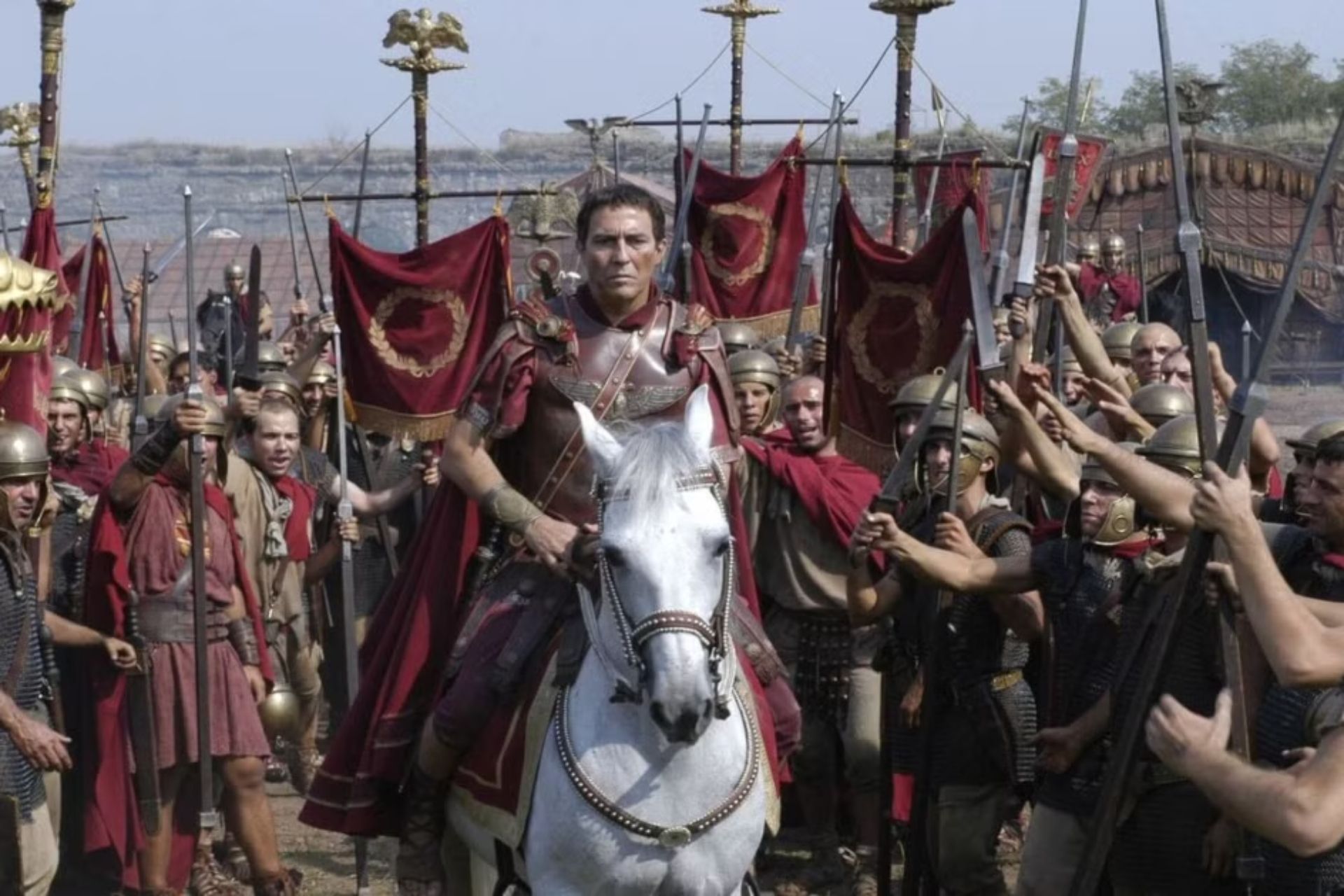
Rome was a co-production between HBO and the BBC, designed to chronicle the transition of the Roman Republic into the Roman Empire. The series covers key historical events—from Julius Caesar’s rise and assassination to the power struggles of Octavian and Mark Antony—through the eyes of both patricians and commoners. Its ambition was unparalleled: sprawling sets, thousands of extras, and a meticulous attention to historical detail. However, the show’s massive budget (around $100 million for the first season) proved unsustainable, leading to its cancellation after just two seasons. Despite its abbreviated run, Rome left an indelible mark on television.
Production Challenges and Ambition
The production faced enormous challenges. Filmed on a massive set near Rome, the show recreated the ancient city with painstaking accuracy—from the Senate house to the slums of the Subura. Costumes, weaponry, and even Latin dialogue (used sparingly) added authenticity. Yet behind the scenes, conflicts over budget and scheduling led to a condensed second season that wrapped up the narrative quicker than intended. Still, the series managed to tell a compelling story that balanced political intrigue with personal drama.
Critical Acclaim and Rotten Tomatoes Score
Rome achieved near-universal praise from critics. On Rotten Tomatoes, the first season holds a 94% approval rating based on 49 reviews, with the consensus calling it “a visually stunning and brutally compelling drama.” The second season, though shorter, earned 91%. Critics lauded the performances, particularly Ciarán Hinds as Julius Caesar, Kevin McKidd as the soldier Lucius Vorenus, and Ray Stevenson as Titus Pullo. The show’s blend of historical accuracy with soap-operatic storytelling—full of betrayal, romance, and warfare—was hailed as revolutionary for its time.
A Closer Look at the Scores
The aggregated critic reviews highlight the show’s strengths:
- Season 1: 94% RT score (8.2/10 average rating). Critics praised the “gritty realism” and “Shakespearean scope.”
- Season 2: 91% RT score (8.0/10). Notable for its “satisfying conclusion” despite the rushed production.
- Audience scores: Consistently above 90%, reflecting strong viewer appreciation.
These numbers place Rome among the top HBO dramas, yet its cultural footprint is smaller than contemporaries like Deadwood or The Sopranos. This disparity is precisely why the show deserves a bigger audience.
Why It Deserves a Bigger Audience
Despite its high critical marks, Rome remains relatively obscure for several reasons: early cancellation, limited streaming availability, and the dominance of later historical dramas like Game of Thrones (which, incidentally, owes a debt to Rome—both shows shared production staff, and Game of Thrones used the same set dressing techniques). However, Rome offers something unique:
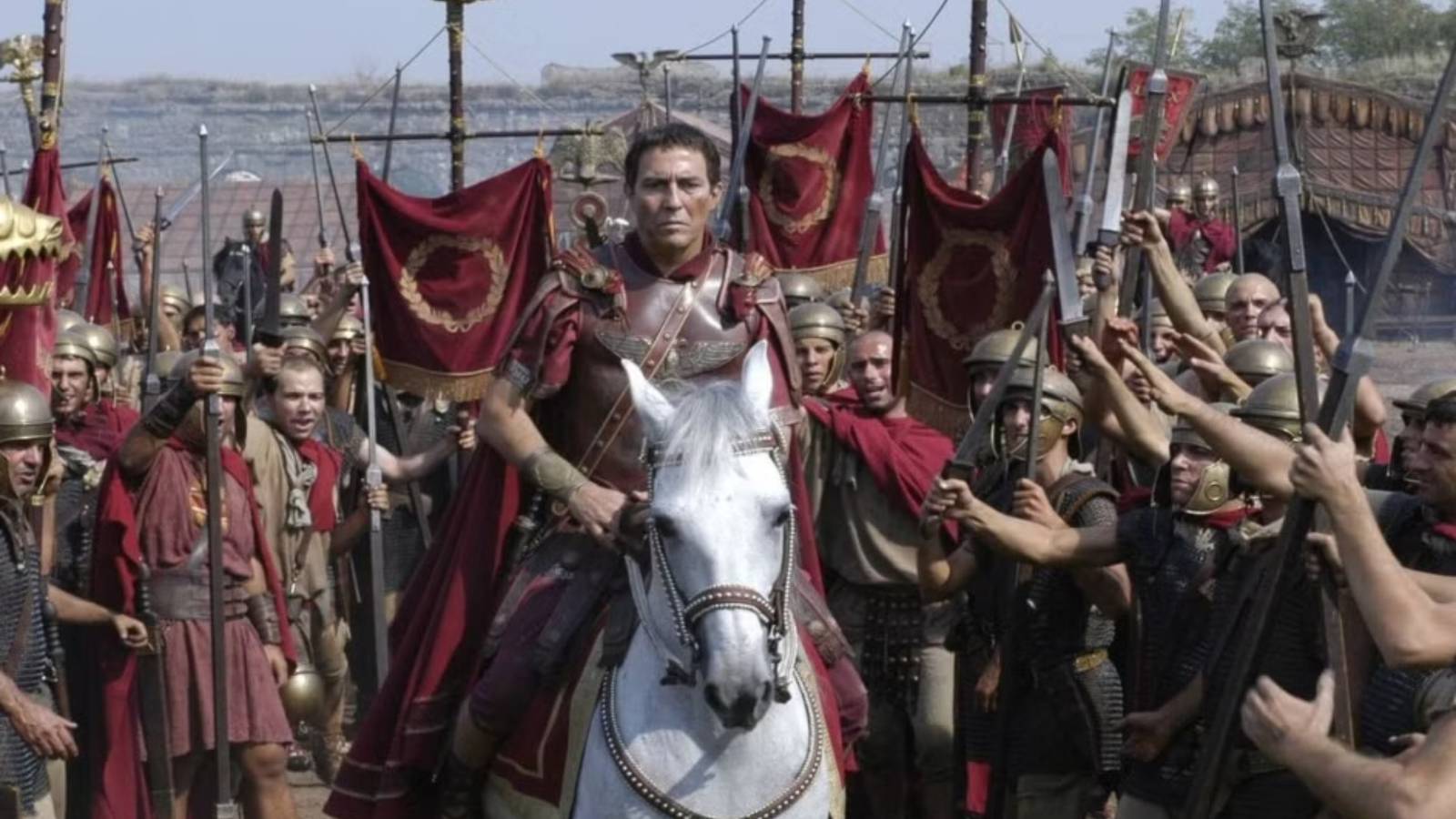
- Authentic Depiction of Ancient Life: Unlike sanitized Hollywood versions, Rome shows the dirt, violence, and political cynicism of the era.
- Complex Characters: The series humanizes historical figures—Caesar is both a visionary and a manipulator; Cleopatra is ambitious and calculating.
- Timely Themes: Power, corruption, and the fragility of democracy resonate strongly in today’s world.
For fans of Game of Thrones, The Crown, or Succession, Rome offers a similar blend of political maneuvering and human drama, but rooted in real history. It’s a show that rewards patient viewers with astonishing performances and a gripping narrative.
Legacy and Influence
Rome may have been short-lived, but its impact is profound. It pioneered the “prestige historical drama” format, paving the way for Spartacus, Vikings, and yes, Game of Thrones. The show’s use of Latin in dialogue inspired subsequent series to embrace linguistic authenticity. Its visual style—muted colors, handheld camera work during battle scenes—set a new standard for gritty realism on TV. In many ways, Rome was ahead of its time, released before the streaming era could sustain such an expensive production without immediate ratings success.
Why You Should Watch It Now
With Rome now available on HBO Max and other platforms, there has never been a better time to revisit—or discover—this epic. The two-season arc tells a complete story, so viewers won’t be left hanging. Its Rotten Tomatoes score is a testament to its quality, and its cult following only grows. If you appreciate historical accuracy, compelling characters, and ambitious storytelling, Rome is an unmissable experience. Don’t let its initial obscurity deter you—this hidden gem is ready for its second life.
Conclusion
HBO’s Rome is a testament to what television can achieve when it dares to be epic. With a 94% Rotten Tomatoes score, it stands among the finest historical dramas ever made. Yet its limited audience means many have missed out on this masterpiece. By exploring its ambitious production, critical reception, and enduring legacy, we can see why Rome deserves a place in the pantheon of great TV series. For those seeking a gripping, intelligent, and visually stunning drama, Rome awaits—and it’s worth every minute.