10 Incredible Facts About How Canadian Modders Created an Official Die Hard Game
In the early winter of 2000, three young Canadian modders—Russ Bullock, Bryan Ekman, and Jay Holtslander—stepped off a plane from Vancouver into the Los Angeles sun, carrying nothing but a dream and a Half-Life mod. Their destination? Fox Plaza, known to movie fans as Nakatomi Plaza from the Die Hard films. What followed was a rollercoaster journey that turned a fan project into an officially licensed game, teaching them hard lessons about the gaming industry. Here are ten things you need to know about this remarkable story.
1. The Flight That Changed Everything
The trio flew from frozen Vancouver to warm LA in late 2000, their hearts pounding with anticipation. They weren't there for vacation; they were there to pitch their unofficial Half-Life mod to 20th Century Fox. The mod, which recreated the iconic Die Hard scenario, had caught the attention of Fox executives, leading to a face-to-face meeting that would alter their lives forever. For Holtslander, a lifelong Die Hard fan, the trip was surreal. Even at the airport, he spotted locations from the film, like where Bruce Willis's character John McClane came out with a teddy bear and lit a cigarette. Next: The iconic setting
2. Stepping Into Nakatomi Plaza
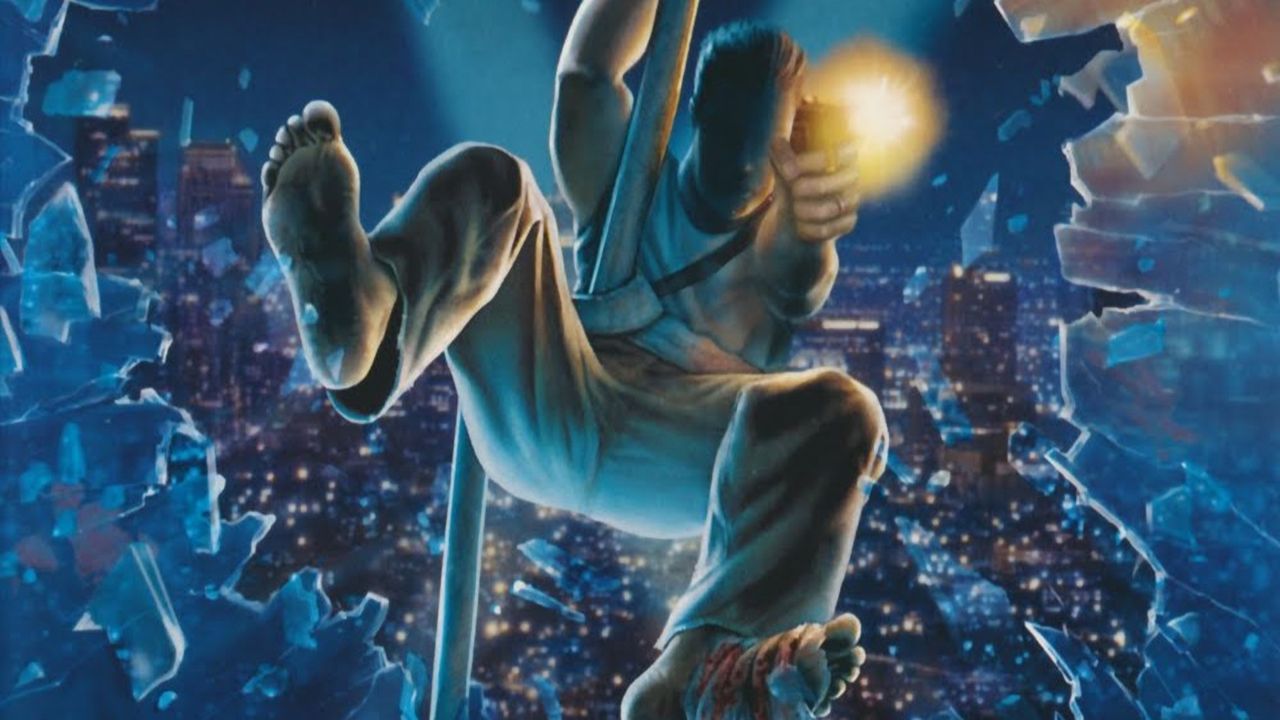
Their meeting was held at 2121 Avenue of the Stars, better known as Fox Plaza—or, to Die Hard fans, Nakatomi Plaza. Walking into the lobby felt like stepping onto a movie set. Holtslander recalls being struck by how exactly it matched the film: the same floors, the same layout. They had studied every frame of Die Hard to create their mod, so the building was intimately familiar. The surreal experience of being in the actual location where John McClane battled Hans Gruber underscored the magnitude of what they were attempting. Next: The deal that followed
3. Sealing the Deal With Fox
The meeting itself remains a blur in Holtslander's memory, but the outcome was clear: Fox was “still very much interested in working with us.” This led to the newly formed Piranha Games securing a contract to develop Die Hard: Nakatomi Plaza as an official title. It was a dream come true for the modders, who had started as hobbyists making levels for Doom and Duke Nukem 3D. But as they would soon discover, turning a mod into a commercial game is a whole different beast. Next: The modding origins
4. From Duke Nukem 3D to Half-Life
The origins of this project go back even further than Half-Life. Holtslander had been making levels for Doom but was frustrated by its inability to stack rooms—a critical feature for recreating Nakatomi Plaza's verticality. When Duke Nukem 3D came out, he dove into modding, inspired by a total conversion mod called AlienzTC. Eventually, the team shifted to the GoldSrc engine (used by Half-Life), which allowed for the complex geometry needed to authentically depict the skyscraper. Next: The struggle of development
5. The Grueling Development Process
Developing Die Hard: Nakatomi Plaza was far from glamorous. The team faced the typical trials of a first game: tight deadlines, limited resources, and the pressure of meeting Fox's expectations. Holtslander described it as a “gruelling introduction to the world of videogame development.” They worked long hours, often sleeping in the office, to get the game out. The modding experience helped, but commercial development required discipline they hadn't needed before. Next: A quote about disappearing projects
6. 'I've Had Projects Disappear That Had 10 Times the Promise'
One of the most telling quotes from the creators is Holtslander's reflection: "I've had projects disappear that had 10 times the promise that this did." This sentiment captures the precarious nature of game development, where even the most promising ideas can vanish due to publisher issues, team conflicts, or market changes. For the Die Hard mod, persistence and a bit of luck kept it alive against the odds. Next: The formation of Piranha Games
7. Founding Piranha Games
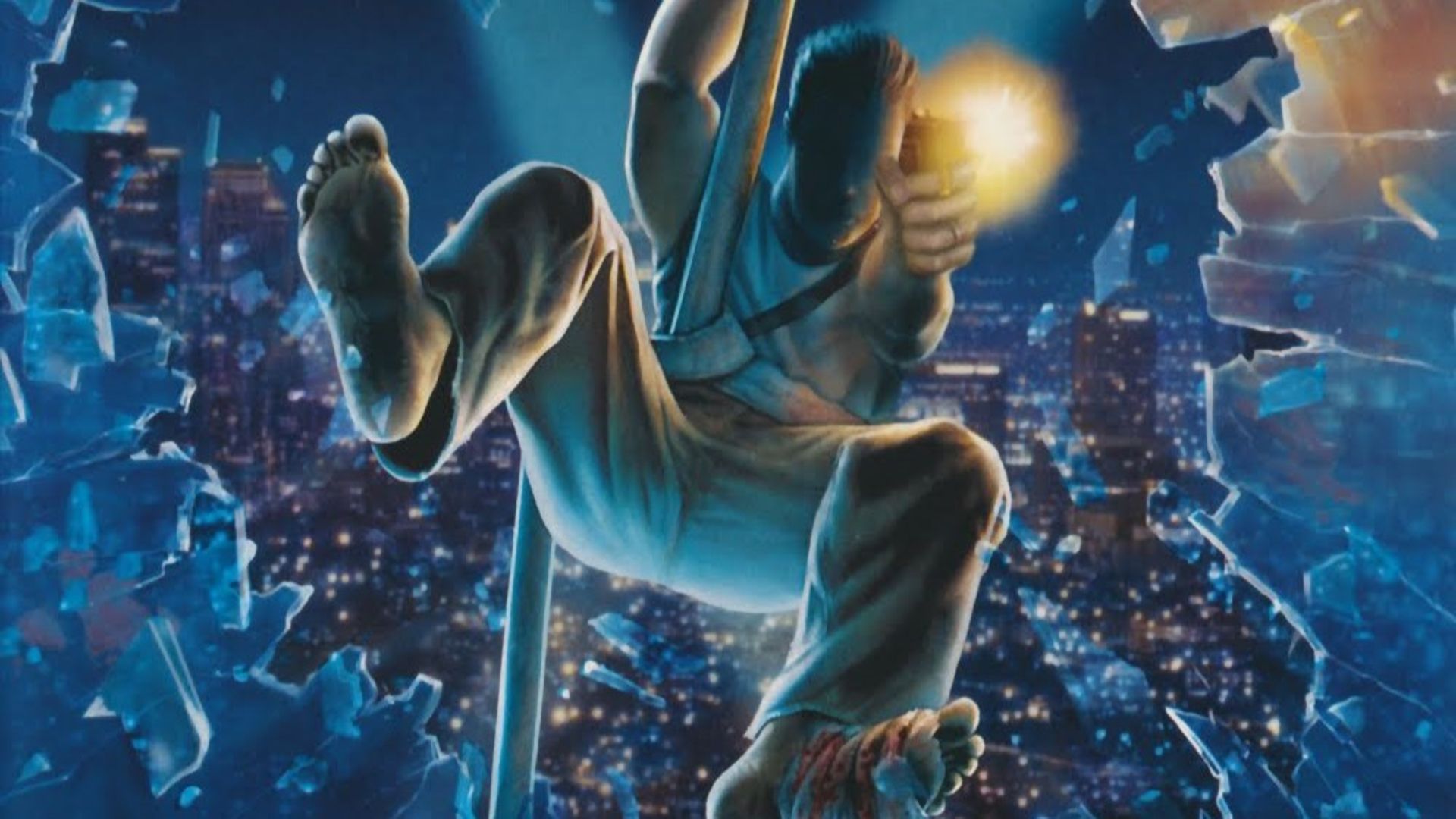
To handle the official game, the modders founded Piranha Games. The fledgling studio had no prior track record, but their mod demonstrated technical skill and passion. The deal with Fox gave them legitimacy, but also immense pressure. Piranha Games would go on to become a notable studio, later known for the MechWarrior series, but its first project was this Die Hard game. The founders credit the mod community experience with teaching them how to work with constraints and deliver a polished product. Next: The game's legacy
8. The Legacy of Die Hard: Nakatomi Plaza
Released in 2002, Die Hard: Nakatomi Plaza received mixed reviews. Critics praised its faithful recreation of the film's setting but noted clunky controls and AI. Nevertheless, for fans, it was a love letter to the movie. The game allowed players to relive John McClane's adventure in the skyscraper, complete with iconic moments. It remains a cult classic among Die Hard enthusiasts and a testament to how modding can lead to official projects. Next: Lessons from the experience
9. Key Lessons Learned
The journey taught the founders valuable lessons: the importance of perseverance, the need for solid business partnerships, and the reality that passion alone doesn't guarantee success. They learned to navigate corporate expectations while maintaining creative integrity. Most importantly, they discovered that even if a project seems unlikely to survive, giving it your all can result in something remarkable. Next: What came next
10. The Aftermath and Future Paths
After Die Hard: Nakatomi Plaza, Piranha Games moved on to other projects, eventually finding success with the MechWarrior franchise. Holtslander, Bullock, and Ekman all continued in the industry, their early experience shaping their careers. The story of how a trio of Canadian modders stumbled into making an official Die Hard game serves as an inspiring example of how fan passion can break into the professional world.
Conclusion: The tale of Russ Bullock, Bryan Ekman, and Jay Holtslander is a testament to the power of modding communities. From a mod made in a dorm room to a licensed game set in Nakatomi Plaza, their journey shows that with talent, persistence, and a bit of luck, even the wildest dreams can come true—even if the road is paved with challenges.