Introduction
As spring paints the Northern Hemisphere in vibrant blooms, the night sky offers a celestial counterpart: the Full Flower Moon. This May's lunar display comes with a twist—it's a micromoon, meaning it appears slightly smaller and dimmer than usual. But don't let the name fool you; this event is packed with astronomical charm and cultural lore. In this listicle, we'll explore eight fascinating details about the Flower Moon and its micromoon status, from viewing tips to ancient traditions. Whether you're a seasoned skywatcher or a curious newcomer, prepare to see the moon in a whole new light.
1. What Exactly Is the Flower Moon?
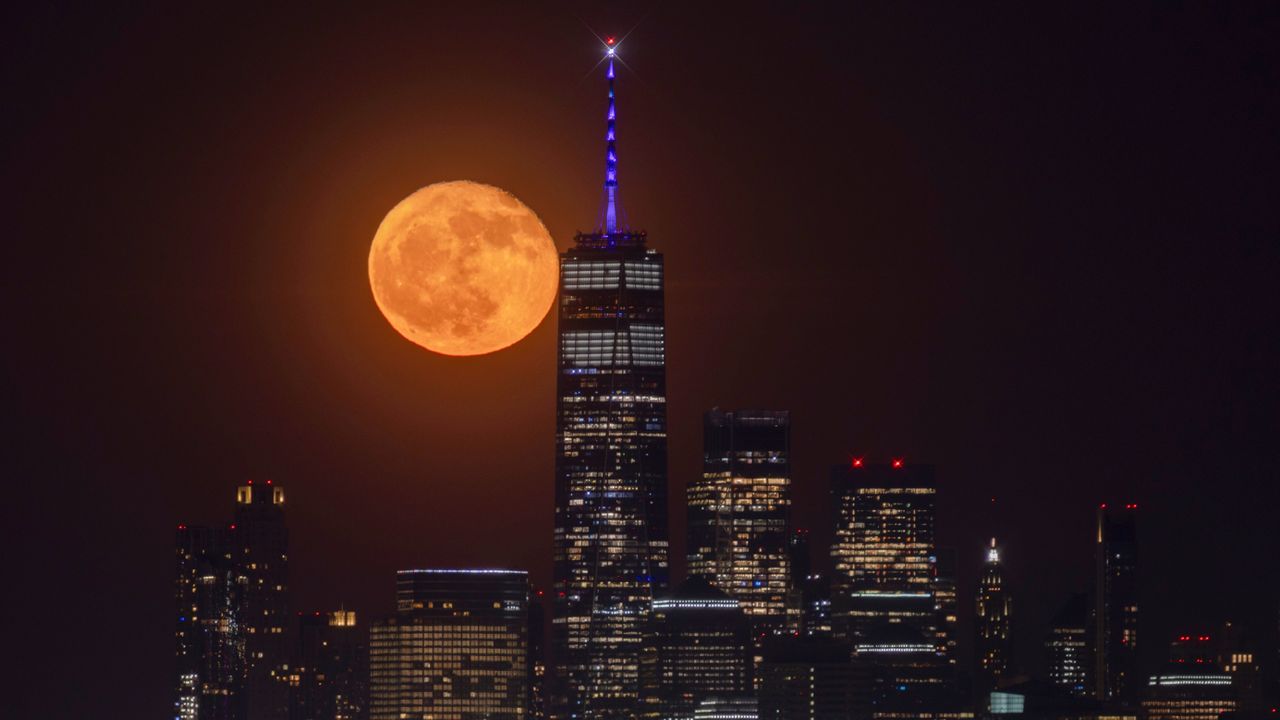
The term Flower Moon refers to May's full moon, a name rooted in Native American and Colonial American traditions. It signifies the time when spring flowers—such as wildflowers, tulips, and bluebells—are in full bloom across much of the Northern Hemisphere. This name appears in both the Old Farmer's Almanac and various indigenous calendars. Other cultural names include the Milk Moon (referring to increased dairy production) and the Planting Moon (marking the ideal season for sowing crops). The Flower Moon is a reminder of nature's renewal and the close ties between lunar cycles and agricultural rhythms.
2. Why Is This Moon Called a Micromoon?
A micromoon occurs when a full or new moon coincides with apogee—the point in the moon's elliptical orbit farthest from Earth. During this event, the moon's distance from Earth is over 400,000 kilometers, causing it to appear about 14% smaller and 30% dimmer than a typical full moon. The term 'micromoon' is the less-celebrated counterpart to a supermoon. While the difference is subtle and often unnoticeable to the casual observer, it's a fascinating reminder of the moon's variable path. This May's Flower Moon is a micromoon because it reaches its full phase just hours after apogee, making it one of the smallest full moons of the year.
3. When and Where to Catch the Best View
The Flower Moon reaches peak illumination at a specific time—check local forecasts for the precise moment. In 2024, for example, the full moon occurs in early May. The best viewing time is just after sunset when the moon rises in the east. Look for a clear horizon with minimal light pollution. Rural areas, parks, or beaches offer optimal conditions. You don't need any special equipment; binoculars can enhance the view of lunar craters, but even the naked eye reveals the moon's soft, golden glow. For early risers, the moon sets in the west around sunrise, offering a second opportunity to appreciate its beauty.
4. How a Micromoon Differs from a Supermoon
While a supermoon appears larger and brighter due to proximity (perigee), a micromoon is the opposite. The difference in angular size between a supermoon and a micromoon is about 14%, which corresponds to a 30% variation in brightness. However, this change is often difficult to perceive without a side-by-side comparison. The term 'micromoon' is less commonly used, but it highlights the dynamic nature of the moon's orbit. Interestingly, supermoons and micromoons occur in cycles, with several of each per year. This May's micromoon serves as a counterpoint to the more hyped supermoons, reminding us that every lunar phase has its own unique charm.
5. Cultural Significance and Traditions
Throughout history, the Flower Moon has been celebrated in various cultures. For many Native American tribes, it marked the time for planting corn, beans, and squash. In Celtic traditions, it was associated with the festival of Beltane, a fire festival celebrating fertility and the onset of summer. The name 'Flower Moon' also appears in European folklore, where it signals the blooming of hawthorn blossoms—often considered a magical tree. In modern times, the moon continues to inspire poetry, art, and meditation. Some people use the Flower Moon as a time to set intentions for growth and creativity, embracing the energy of spring's renewal.
6. Tips for Observing the Micromoon
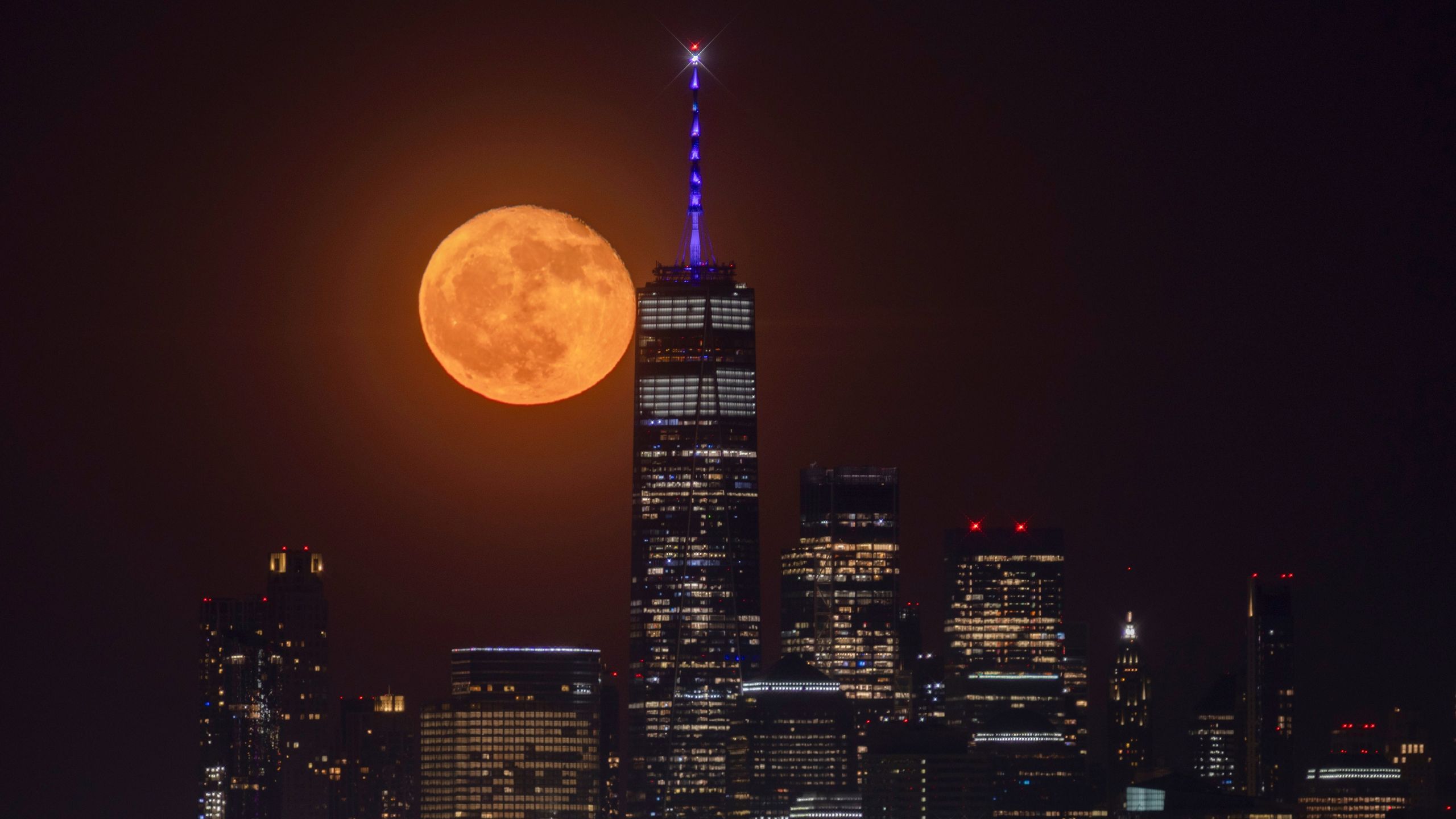
To make the most of the Flower Moon, plan ahead. Check the moonrise time for your location and find a spot with a clear eastern horizon. Use a compass app to pinpoint the exact direction. If you want to photograph the moon, a telephoto lens (200mm or more) will help capture its details. For a more immersive experience, consider pairing your observation with a guided meditation or a night hike. A small note: because a micromoon appears slightly less bright, it may be more comfortable to view without straining your eyes. Finally, share the moment with friends or family—celestial events are best enjoyed together.
7. The Science Behind the Moon’s Orbit
The moon follows an elliptical orbit around Earth, with an average distance of about 384,400 kilometers. At apogee, it can be up to 405,500 kilometers away, while at perigee it approaches as close as 363,300 kilometers. This variation affects not only the moon's apparent size but also its gravitational influence—though the difference is minimal. The term 'micromoon' is not an official astronomical classification but a popular term used to describe a full moon near apogee. Scientists prefer to call it a 'full moon at apogee.' Nonetheless, the event provides a great opportunity to teach about orbital mechanics and the wonders of our nearest celestial neighbor.
8. What’s Next in the Lunar Calendar?
After the Flower Moon, the next full moon is the Strawberry Moon in June, which often corresponds to strawberry harvest season. If you missed this micromoon, don't worry—another micromoon will occur later in the year. The cycle of supermoons and micromoons continues throughout the year, with each offering a slightly different viewing experience. For avid skywatchers, keeping a lunar calendar is a rewarding hobby. The Flower Moon sets the stage for a summer of celestial events, including planetary conjunctions and meteor showers. So mark your calendars and stay tuned—the night sky always has something new to offer.
Conclusion
May's Flower Moon may be a micromoon, but it's big on meaning and beauty. From its cultural roots to its astronomical nuances, this lunar event invites us to pause and look upward. Whether you're marveling at its subtle diminishment or simply enjoying a quiet evening under its light, the Flower Moon reminds us that every full moon has its own story. Next time you see it, remember: size isn't everything—even a smaller moon can cast a powerful glow. Happy skywatching!