8 Crucial Facts About the SpaceX Rocket Debris Heading for the Moon
In a remarkable twist of celestial mechanics, a spent rocket stage from a SpaceX Falcon 9 launch is on a collision course with Earth's moon, expected to impact in early August. This event, while dramatic, is not entirely unprecedented—but it raises important questions about space debris, orbital dynamics, and our relationship with the lunar surface. Below, we break down eight essential things you need to know about this upcoming collision.
1. What Exactly Is Heading for the Moon?
The object in question is the upper stage of a SpaceX Falcon 9 rocket that launched a satellite into orbit about a year ago. After completing its primary mission—boosting a payload into a high-altitude orbit—the spent stage was left adrift. Its trajectory, influenced by Earth's gravity, solar radiation, and the Moon's pull, has slowly evolved into a path that will intersect with the lunar surface.
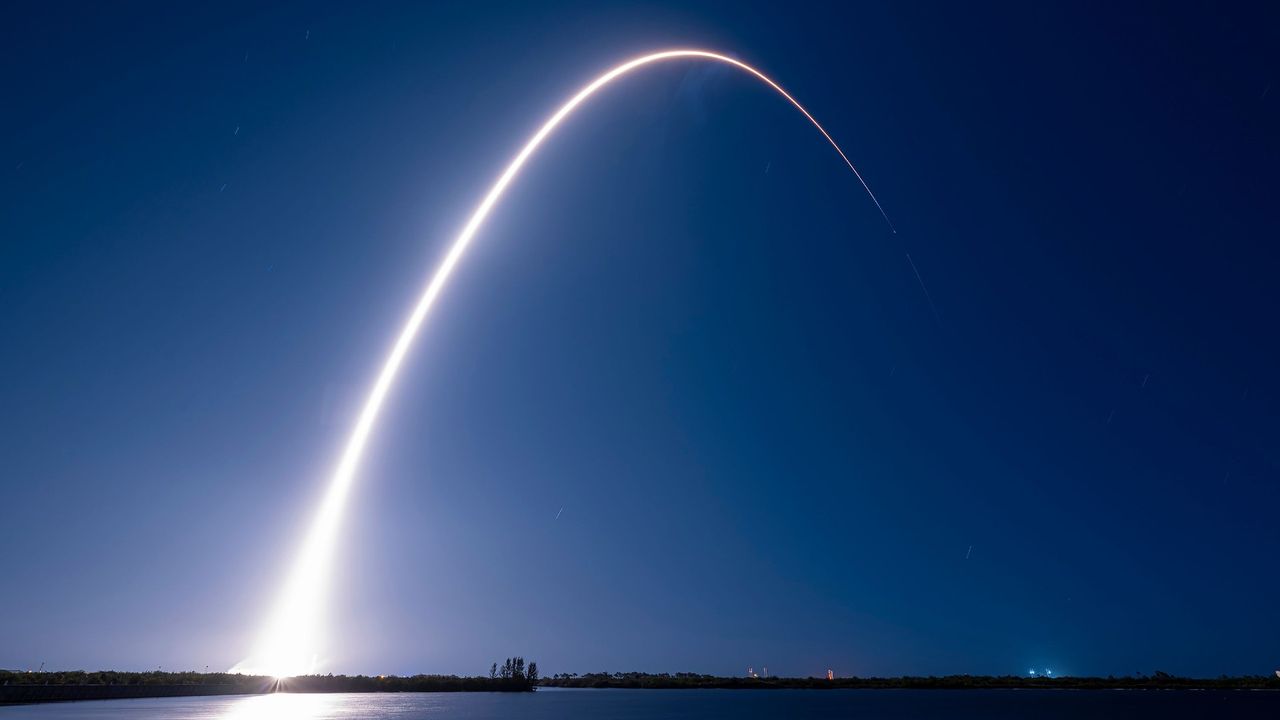
This isn't a single piece of debris but a substantial hollow cylinder, roughly 15 meters long and weighing several tons. When it strikes, it will do so at a velocity of about 2.5 kilometers per second—fast enough to create a fresh crater.
2. Why Is It Happening Now?
The rocket body was originally in an unstable Earth orbit after its launch last year. Over time, gravitational perturbations from the Moon and Sun, along with subtle effects like Earth's oblateness, altered its orbital energy. In early August, its path will cross that of the Moon—not a frontal collision, but a hit on the far side at a shallow angle. This timing is coincidental but predictable using orbital mechanics software used by astronomers and space agencies.
3. Weren't We Warned About This Before?
Yes, similar predictions have occurred in the past. Most notably, a Chinese Long March rocket stage was forecast to hit the Moon in 2022 (and did so), and other spent stages from various missions have also met their end on the lunar surface. However, this specific event gained attention because it involves a private company, SpaceX, highlighting how commercial space operations contribute to the growing population of derelict hardware in cislunar space.
4. Where Will It Strike, and How Bad Will the Damage Be?
Current models suggest the impact will occur on the far side of the Moon, near the equator, at a point not visible from Earth. The impact itself will be violent—the stage will vaporize, excavating a crater roughly 10 to 20 meters in diameter. While this sounds destructive, it's negligible on a lunar scale; the Moon already bears millions of craters from natural impacts. The main scientific concern is preserving the pristine environment for future study, especially areas of geological interest.
5. Does This Pose Any Risk to the Moon or Earth?
None whatsoever. The Moon has no atmosphere to protect, and it's been bombarded by space rocks for billions of years. A man-made addition is minor. For Earth, there's zero danger—the debris won't break up into fragments that reach us, nor will it affect our orbit. The only potential risk is to future lunar missions if they happen to be near the impact zone, but no planned missions are currently scheduled for that region in August.
6. What Does This Tell Us About Space Debris?
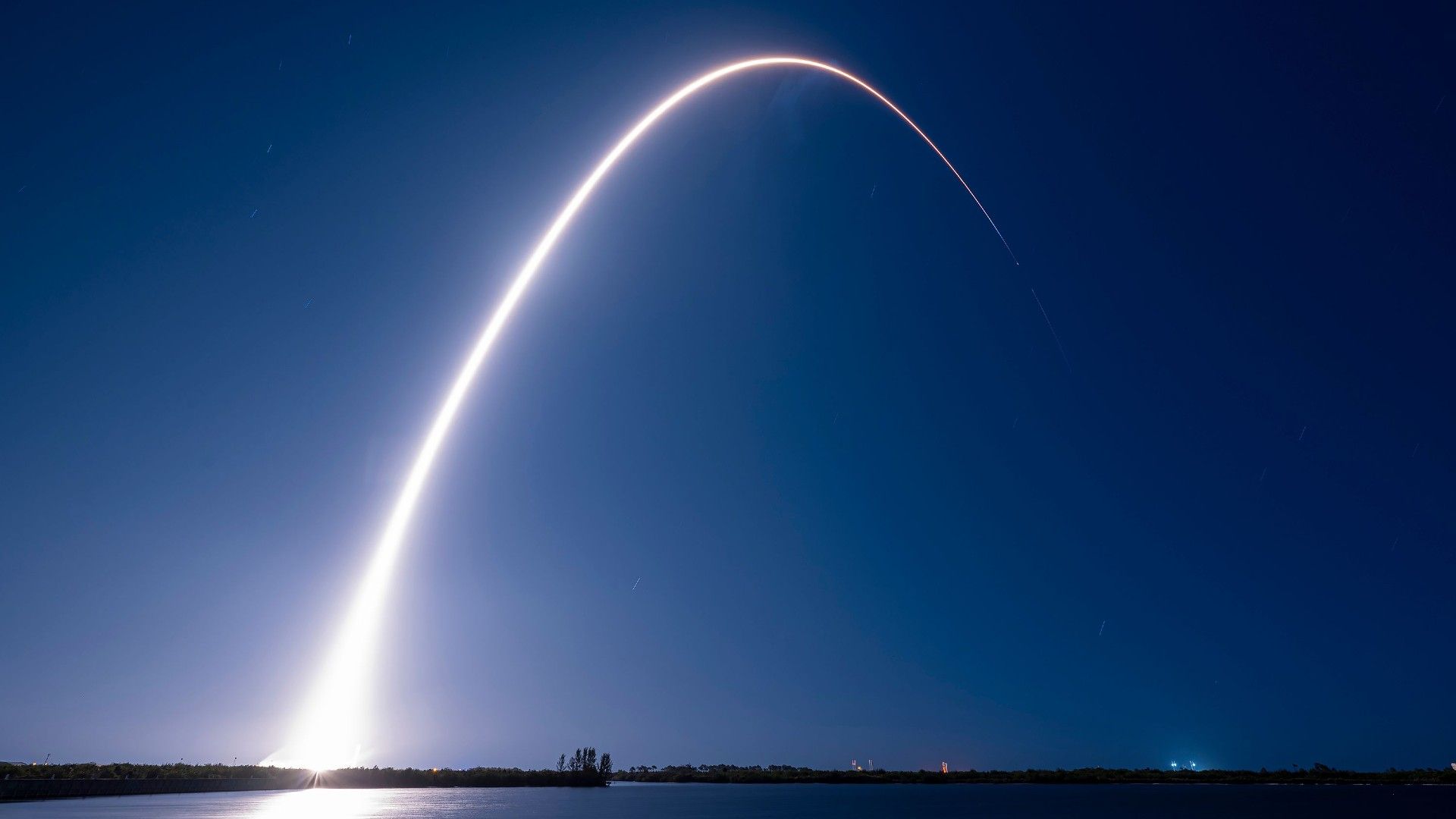
This event underscores a growing issue: space debris isn't limited to low Earth orbit. Cislunar space—the region between Earth and the Moon—is becoming increasingly crowded with spent rocket stages, satellite fragments, and other junk. While no cleanup efforts exist for such distant objects, tracking them helps model future collision risks for operating spacecraft. The upcoming impact also serves as a natural experiment, allowing researchers to calibrate how well they can predict reentry paths over long timescales.
7. Could We Have Prevented This?
Prevention would have required the rocket stage to be deliberately deorbited after its mission—either by firing its remaining propellant to send it into a graveyard orbit or into the Sun. For Falcon 9 upper stages, SpaceX typically lets them reenter Earth's atmosphere for disposal. However, for deep-space missions where the stage is left in a high orbit, controlled disposal is harder. In this case, the stage lacked enough fuel to safely steer away from the Moon, making the impact inevitable once the trajectory was set.
8. What Are the Implications for Future Space Exploration?
As more nations and companies target the Moon, the number of abandoned rocket bodies will increase. Unless international guidelines require proper disposal for all lunar-bound hardware, we risk littering the Moon's surface with debris. This could interfere with scientific study of the lunar stratigraphy and potentially hazard future landing sites. The SpaceX impact may serve as a wake-up call for regulators to update space debris mitigation rules for orbits beyond Earth.
In conclusion, while the prospect of a SpaceX rocket stage slamming into the Moon might sound alarming, it's largely a non-event in terms of immediate danger. Instead, it highlights the need for responsible stewardship of space—both near Earth and around our celestial neighbor. As we venture deeper into the solar system, every piece of debris we leave behind tells a story about our technological reach and our duty to preserve the environments we explore.