UK Slips from Top Donor of UN Climate Fund: Key Questions Answered
The United Kingdom has lost its position as the leading contributor to the United Nations' Green Climate Fund (GCF) after significantly reducing its latest pledge. This development, part of broader cuts to climate aid for developing nations, has raised concerns about global climate finance commitments. Below we explore the details through a series of questions and answers.
What exactly is the Green Climate Fund (GCF)?
The Green Climate Fund is the largest dedicated United Nations climate fund, established to help developing countries reduce greenhouse gas emissions and adapt to climate change. It channels grant-based finance into projects and programs—currently overseeing over $20 billion across 354 initiatives worldwide. The GCF is a key mechanism under the Paris Agreement, through which wealthy nations are obligated to provide climate finance to poorer countries. Donors pledge funds during periodic replenishment rounds, and these contributions are critical for supporting renewable energy, resilience building, and sustainable development in vulnerable regions.
Why did the UK cut its GCF pledge, and by how much?
In May 2024, the UK government informed the GCF that it would honor only £815 million ($1.1 billion) of its original commitment for the 2024–2027 period. The initial pledge of £1.62 billion ($2.16 billion)—made by the previous Conservative administration and hailed as the largest single UK climate funding commitment—was slashed by half. The Labour government justified the cut as part of broader aid budget reductions to “invest more in addressing growing security threats.” This decision follows the UK’s earlier announcement to spend roughly £6 billion on climate projects over three years, which represents about a 50% reduction in annual climate finance compared to previous levels.
How does this affect the UK’s standing as a GCF donor?
The cut has stripped the UK of its status as the top GCF donor. It had briefly held that position after the Trump administration withdrew $4 billion in pledged US funds in 2025. Now, with its reduced contribution, the UK ranks behind Germany, France, and Japan in total past and promised GCF funding. Moreover, the UK now joins the US as the second major donor to cancel substantial funding—the largest reduction between replenishment rounds by any donor, excluding the US. This has alarmed aid experts, who fear other developed countries may follow suit, undermining the fund’s ability to deliver projects.
What are the UK’s legal obligations to provide climate finance?
Under the Paris Agreement, developed countries like the UK are legally obliged to provide climate finance to help developing nations mitigate and adapt to climate change. One of the primary channels for fulfilling this obligation is through specialized UN funds, with the GCF being the most prominent. The agreement calls for a progressive scaling up of financial support over time. However, despite repeated pledges to increase contributions, the UK’s latest move represents a stark reversal—providing 45% less funding than it did during the 2019 replenishment round. This has raised questions about the credibility of the UK’s climate leadership and its commitment to international obligations.
What impact will the UK’s cut have on GCF projects and programs?
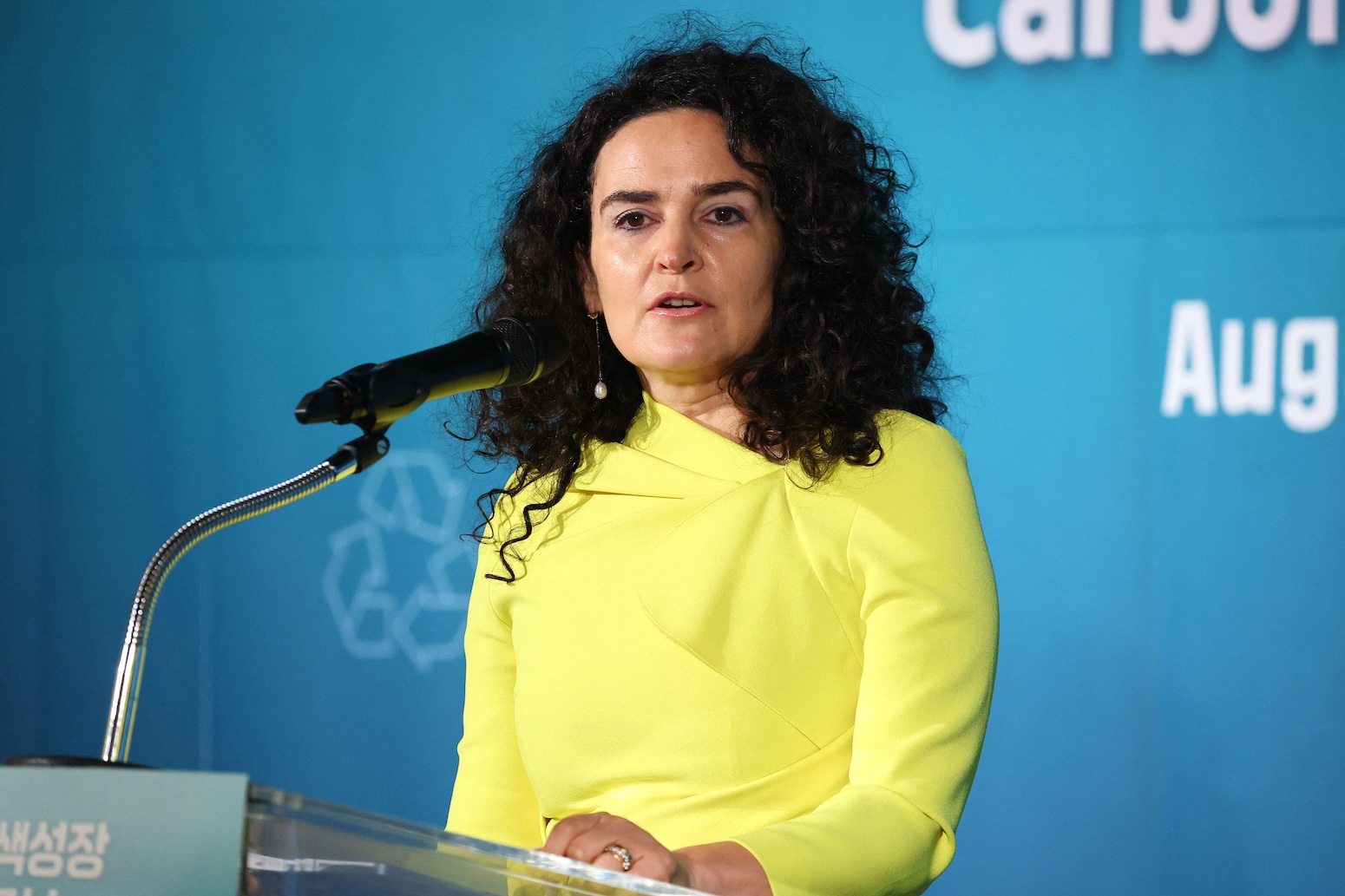
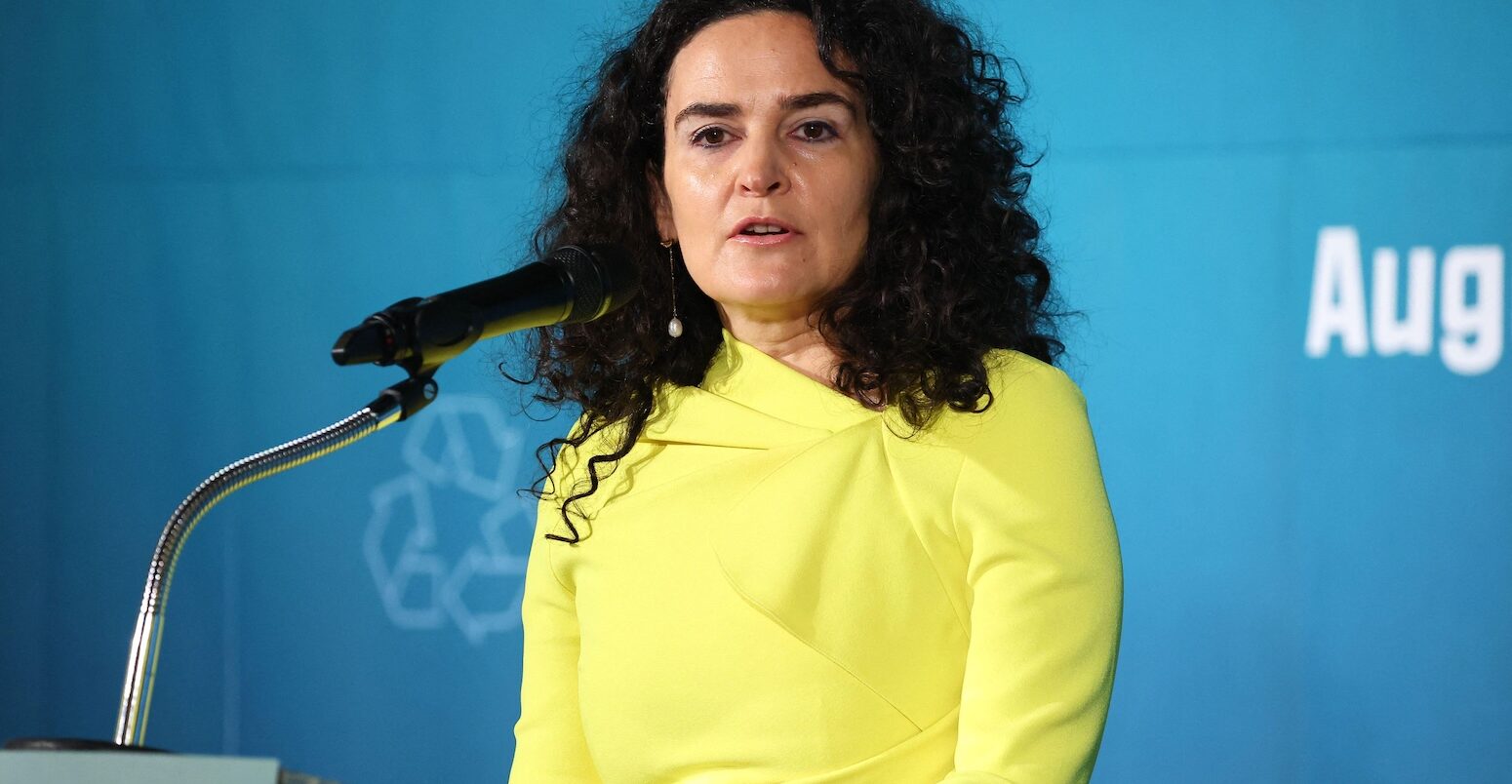
According to Mafalda Duarte, the GCF’s executive director, the UK’s action is “expected to have a material impact on the delivery” of the fund’s projects. The GCF supports over 354 projects, ranging from renewable energy installations in Africa to flood defenses in South Asia. The loss of £810 million in pledged funds may force delays, scaling back, or cancellation of some initiatives. Smaller donors may also face pressure to fill gaps, but the scale of the UK’s reduction is substantial. The fund had already been recovering from the US withdrawal, and this second blow erodes trust in donor reliability, potentially stalling progress on global climate goals.
How do other major donors compare in their GCF commitments?
Currently, the top three GCF donors by total past and promised contributions are Germany, France, and Japan. The UK now sits below them. During the second replenishment round in 2023, several countries increased their pledges compared to 2019—the UK was among them before reversing course. In contrast, Germany, France, and Japan maintained or grew their commitments. The US remains a notable absentee after its withdrawal under President Trump, though it had pledged $3 billion initially. The uneven pattern of commitments raises concerns about the GCF’s long-term financial stability, especially as demand for climate finance from developing countries continues to rise.