Could Kimchi Help Your Body Eliminate Microplastics? A Q&A
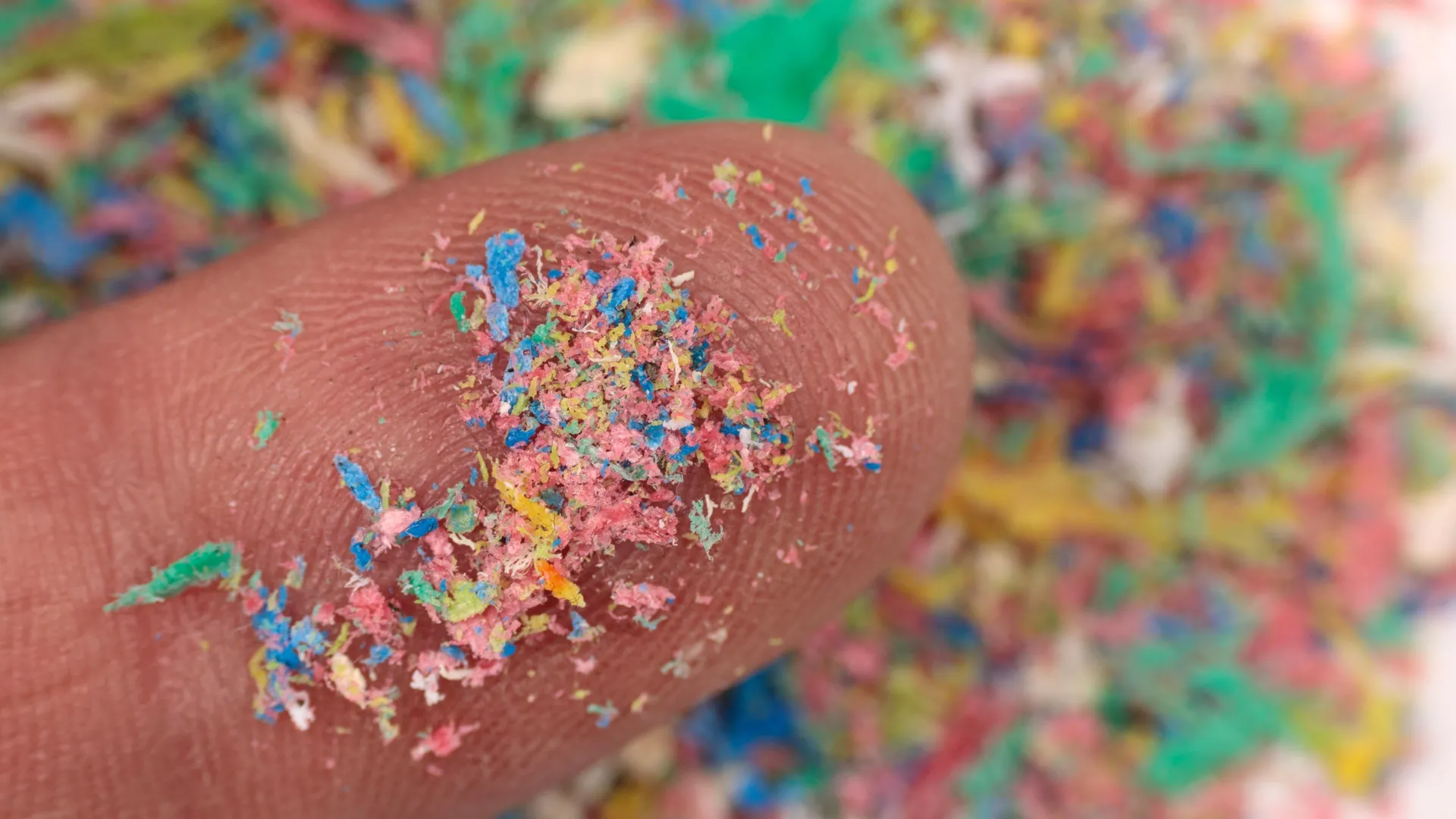
Microplastics are everywhere—from the air we breathe to the food we eat. But what if a humble fermented food could help your body flush them out? A team of South Korean scientists has discovered that a probiotic bacterium found in kimchi may bind to tiny plastic particles and escort them out of the digestive system before they can accumulate in organs. This Q&A explores the groundbreaking research and what it means for human health.
1. What exactly did South Korean scientists discover about kimchi and microplastics?
Researchers at the Korea University and other institutions found that a specific probiotic bacterium, Lactobacillus plantarum (commonly present in kimchi), can strongly adhere to nanoplastics—microscopic plastic particles less than one micrometer in size. In laboratory experiments that simulated the human intestine, this bacterium clung to the plastic particles with remarkable tenacity, even when other gut bacteria quickly released their grip. The discovery suggests that consuming this probiotic might help the body trap and expel nanoplastics before they can cross the intestinal barrier and accumulate in organs like the liver or brain.
2. How does this probiotic bacterium bind to nanoplastics?
The bacterium uses a combination of physical and chemical mechanisms. Its cell surface contains specific proteins and polysaccharides that create a strong adhesive force with the hydrophobic surfaces of plastic particles. In the simulated intestinal environment—which includes digestive enzymes, bile salts, and varying pH levels—these binding sites remain active. The researchers observed that Lactobacillus plantarum formed stable aggregates with nanoplastics, effectively clumping them together. This clumping may prevent the particles from being absorbed into the bloodstream. The binding is so robust that even peristaltic movements (gut contractions) do not easily break it, allowing the plastic–bacterium complexes to be safely excreted in feces.
3. Why is this discovery important for human health?
Microplastics and nanoplastics are emerging as a silent health threat. Studies have linked their accumulation in human tissues to inflammation, oxidative stress, and even metabolic disruptions. Because plastics are not easily broken down, they can linger in the body for years. Current methods to remove them are largely ineffective. If a dietary probiotic can safely bind and eliminate a significant portion of ingested nanoplastics, it could reduce the long-term toxic burden. This is especially critical for vulnerable populations, such as children and pregnant women, whose developing organs are more susceptible to plastic-induced damage. The discovery offers a simple, natural intervention that could be integrated into daily diets.
4. How was the research conducted?
The team used an in vitro model that mimics the human gastrointestinal tract—complete with stomach acid, pancreatic enzymes, and intestinal fluid. They introduced fluorescently labeled nanoplastics (polystyrene beads) and various probiotic strains into this system. After incubation, they measured how much plastic remained bound to bacteria versus free-floating. Lactobacillus plantarum showed the highest binding efficiency (over 80% in some tests). The researchers also checked whether the bacterium’s viability was affected; notably, the probiotic survived the digestive conditions while maintaining its plastic-binding capacity. Further tests with live gut bacteria confirmed that common microbes like Escherichia coli and Lactobacillus acidophilus bound far less plastic.
5. What makes this kimchi bacterium different from other probiotics?
While many probiotic bacteria can transiently interact with microparticles, Lactobacillus plantarum has a unique cell wall architecture. It possesses an unusually high density of surface-layer proteins (S-layer proteins) that form a crystalline lattice. This structure provides numerous binding sites for hydrophobic molecules like polystyrene. Additionally, the bacterium can produce a sticky biofilm that traps particles. Other common probiotics, such as Lactobacillus rhamnosus or Bifidobacterium, lack this robust S-layer, making them less effective at gripping plastic. The Korean strain also adapts well to the acidic and bile-rich environment of the small intestine, maintaining its binding properties longer than other species tested.
6. Could this lead to new treatments or supplements?
Absolutely. The research opens the door for developing probiotic-based supplements specifically designed to reduce microplastic absorption. These could be formulated as capsules, powders, or even added to fermented foods. However, scientists caution that more work is needed—including animal studies and human trials—to confirm that the binding works in a living body and that the bacteria are not themselves harmful. There is also potential for engineering Lactobacillus plantarum to bind even more types of plastics, such as polyethylene or polypropylene. A commercial product might emerge in the next 5–10 years, but for now, incorporating kimchi into your diet is a safe and tasty way to get this specific strain.
7. Is eating kimchi alone enough to get the benefit?
Kimchi naturally contains Lactobacillus plantarum, especially in traditionally fermented varieties. Eating moderate amounts (about 100–150 grams per day) could provide enough of the probiotic to have an effect—though the exact dose needed for microplastic binding hasn't been established. The main challenge is that commercial kimchi may be pasteurized, which kills live bacteria. Look for unpasteurized, refrigerated kimchi with “live cultures” on the label. Also, the bacteria must survive stomach acid; consuming kimchi with a meal (which buffers pH) improves survival. While kimchi alone may not completely eliminate microplastic absorption, it could be part of a broader strategy that includes avoiding plastic packaging and drinking filtered water.
8. What are the next steps for this research?
The South Korean team plans to move from test tubes to live animals. They will feed nanoplastics to mice, with and without the probiotic, and then measure plastic accumulation in organs like the liver, kidneys, and brain. If the results are positive, human trials will follow—likely starting with healthy volunteers who consume a controlled amount of nanoplastics. The researchers are also exploring whether the bacterium can bind other common plastics (e.g., PET, PVC) and whether it can be freeze-dried into a shelf-stable powder without losing its gripping ability. Ultimately, they hope to create a safe, natural intervention that anyone can use to reduce the invisible plastic burden in their body.