The Pivotal Question That Fueled a Three-Decade Marketing Empire
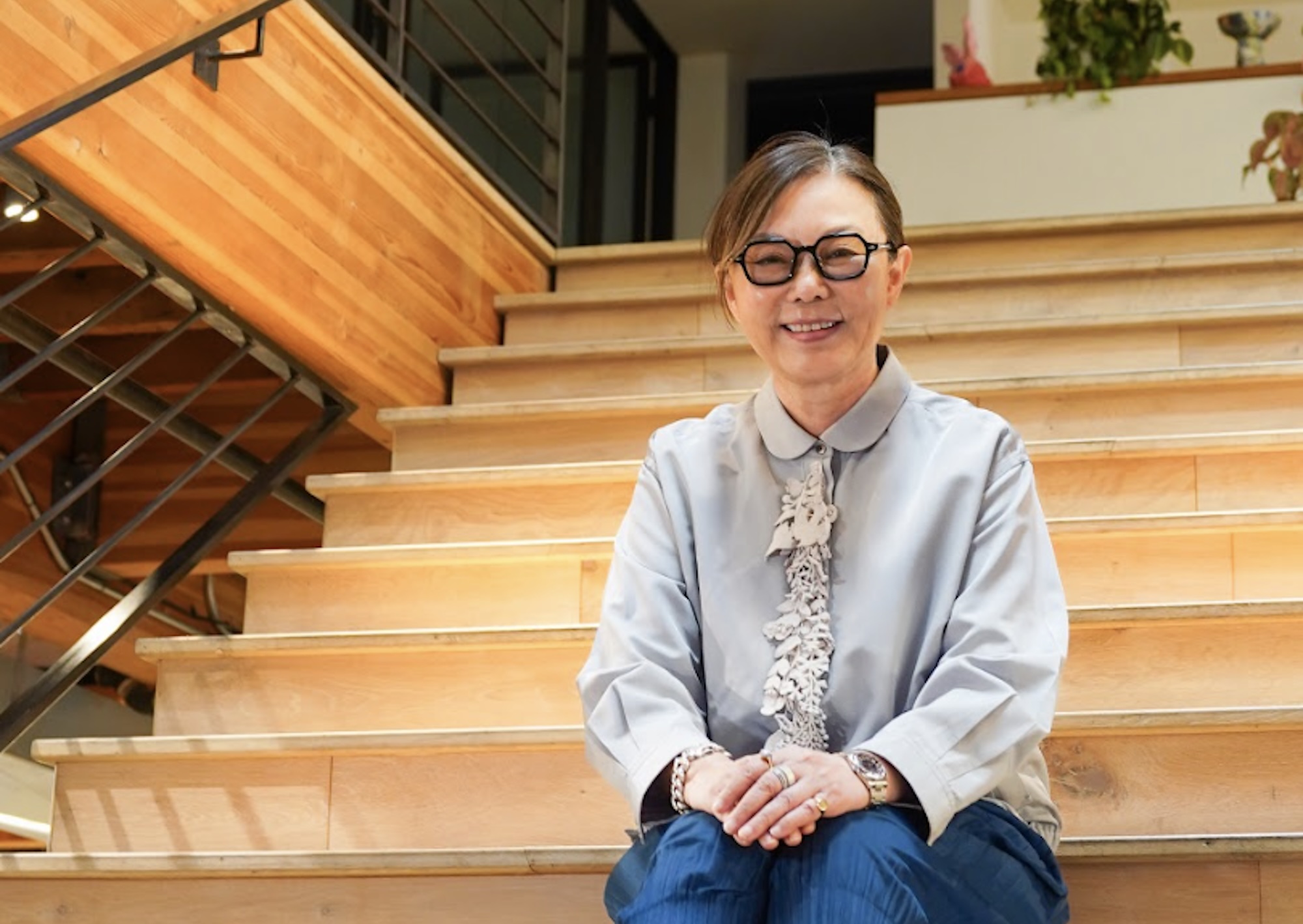
Julia Huang didn't just build an advertising agency; she launched a movement. As founder and CEO of Intertrend Communications, she carved a niche in Asian American marketing long before it was a recognized industry. In this Q&A, we explore the strategic pivot—a single, transformative question—that turned a fledgling startup into a 30-year powerhouse. Huang shares the mindset, challenges, and insights that kept her company thriving through decades of change.
1. What was the one marketing question that changed everything for Julia Huang?
Instead of asking, “How do we sell to Asian Americans?” Huang asked, “How do we connect with Asian Americans in a way that respects their culture and drives results?” This shift from transactional to relational thinking transformed her approach. She realized that traditional advertising often overlooked the nuanced identities of the Asian diaspora—from first-generation immigrants to second-generation biculturals. By focusing on emotional resonance and cultural authenticity, Huang built campaigns that didn't just speak at audiences but with them. This question became the cornerstone of Intertrend's philosophy, allowing the agency to craft messages that felt personal and relevant. It also opened doors to partnerships with brands that wanted to move beyond generic multicultural checkboxes. Over time, this customer-centric mindset fueled loyalty and word-of-mouth growth, proving that the right question can be more powerful than any answer.
2. How did Intertrend Communications get its start in 1991?
In the early '90s, multicultural marketing wasn't a priority for most U.S. brands. Huang saw a gap: Asian American communities were growing rapidly, yet mainstream agencies either ignored them or mishandled their messaging. She launched Intertrend Communications from a small office in Los Angeles, armed with deep cultural insights and a passion for storytelling. Key steps included:
- Identifying an underserved niche: Focusing exclusively on Asian American consumers, which few agencies did.
- Leveraging personal experience: As an immigrant herself, Huang understood the cultural nuances that others missed.
- Building credibility: She targeted local businesses first, proving her concept with measurable results.
By 1991, Huang had already laid the groundwork for a firm that would later become “the Most Award-Winning Result Driven Asian American Advertising Agency.” The timing was risky—many thought she was too early—but her conviction and clarity of mission turned that risk into a first-mover advantage.
3. What challenges did Huang face in pioneering Asian American marketing?
Huang encountered three major obstacles: skepticism from brands, lack of data, and internal bias. In the 1990s, many executives believed that Asian American consumers were too small and fragmented to matter. They also assumed a “one-size-fits-all” approach would work. Huang countered with research showing that Asian Americans had high disposable income, strong brand loyalty, and distinct media habits—but only if approached authentically. Another challenge was recruiting talent; few advertising professionals had multicultural expertise. Huang invested heavily in training and mentorship, building a team that reflected the communities they served. She also fought against stereotypes within the industry, proving that Asian American advertising wasn't about tokenism but about smart business. Her persistence paid off: Intertrend not only survived but earned awards for creativity and effectiveness, changing how brands view diverse audiences.
4. How did Huang's mindset shift drive the company's growth?
The pivotal question—“How do we connect instead of just sell?”—created a ripple effect. It led Huang to prioritize long-term relationships over short-term gains. For example, instead of pushing quick promotions, she advised clients to invest in community events, bilingual storytelling, and culturally relevant content. This approach built trust, which translated into repeat business and referrals. Huang also adopted a growth-through-learning mindset: she constantly studied shifting demographics, media consumption, and social trends within Asian American communities. When digital marketing emerged, Intertrend was an early adopter because Huang had already been focusing on two-way communication. Her refusal to rely on outdated formulas meant the agency could adapt quickly. By 2021, the company had expanded from a one-person shop to a full-service agency with multiple offices, all because she kept asking the right question rather than settling for easy answers.
5. What role did awards and recognition play in Intertrend's success?
Winning industry awards wasn't just about ego—it was a strategic credibility booster. Intertrend's numerous accolades (including being named a top multicultural agency) validated Huang's methods in an industry that often sidelined minority-focused work. Benefits of awards included:
- Proof of concept: Showed that culturally nuanced campaigns could compete with mainstream efforts.
- Attracting top talent: Creative professionals wanted to work at an award-winning shop.
- Client confidence: Brands felt safer investing with a recognized leader.
Huang leveraged each award to open doors with Fortune 500 companies. However, she always emphasized that the awards were a byproduct, not the goal. The real win was the impact on communities—campaigns that changed perceptions and drove sales. This balance between recognition and purpose kept the agency grounded and innovative for over 30 years.
6. What advice does Julia Huang have for aspiring entrepreneurs?
Huang offers three key lessons from her journey: first, find a problem that matters to you. She didn't just see a business opportunity; she saw a cultural void. Second, be willing to ask uncomfortable questions. Her career-changing question emerged from questioning the status quo in advertising. Third, invest in people. She credits her team's cultural fluency and passion as the real engine of growth. She also advises against chasing quick trends. “Build something that lasts by building relationships that last,” she says. For new entrepreneurs, especially those from underrepresented backgrounds, Huang emphasizes the power of niche expertise. “Don't try to be everything to everyone. Be the best for someone who matters,” she often says. Her story proves that a single, well-crafted question can reshape an entire industry—if you have the courage to ask it and the discipline to follow through.
7. How has the multicultural marketing landscape changed since 1991?
In 1991, multicultural marketing was often seen as a niche for “ethnic” products. Today, mainstream brands recognize that diverse audiences drive growth. Key shifts include:
- Data availability: Digital tools now provide granular insights into audience behavior.
- Mainstream integration: Multicultural strategies are no longer siloed; they influence core brand campaigns.
- Audience expectations: Consumers demand authentic representation, not stereotypes.
Huang's foresight positioned Intertrend as a leader in this evolution. While early competitors have faded, her agency continues to thrive because it never stopped evolving. The question “How do we connect?” remains relevant, but the answers today involve social media influencers, streaming services, and hyperlocal community engagement. Huang's legacy is proof that asking the right question can not only launch a business—but sustain it through three decades of cultural and technological change.