How to Capitalize on Canada’s Policy Change for a Lower-Priced Tesla Model 3
Introduction
Canada recently adjusted its import policies on Chinese-made electric vehicles, opening the door for Tesla to offer the Model 3 built in its Shanghai Gigafactory at a significantly reduced price. This move not only makes the Model 3 more accessible to Canadian buyers but also sends ripples through the North American EV market, potentially influencing U.S. prices and competition. Whether you're a Canadian resident eyeing a deal or an EV enthusiast watching global trends, understanding this shift can help you make informed decisions. This guide walks you through the steps to take advantage of this opportunity and what it means for the broader EV landscape.
What You Need
- Basic knowledge of Canada’s current import tariff structure for Chinese vehicles (check government or trusted automotive news sources).
- Eligibility to purchase a new vehicle in Canada (Canadian residency or citizenship; non-residents may face additional steps and costs).
- Access to Tesla’s official Canadian website for pricing updates and configuration options.
- Understanding of your local tax and registration fees (provincial/territorial taxes, incentives, and delivery charges).
- Awareness of any cross-border import restrictions (if you plan to bring the vehicle into the U.S. or another country).
Step-by-Step Guide
Step 1: Understand Canada’s Policy Change on Chinese EVs
Canada recently revised its tariff rates on electric vehicles imported from China. While specific details vary, the policy change effectively lowers the cost for automakers like Tesla to bring in cars from their Shanghai factory. This reduction is passed on to consumers, making the Model 3 notably cheaper in Canada compared to U.S. or other markets. Why it matters: Without this policy shift, Tesla would have to charge more to cover higher duties. To verify current rates, visit the Canada Border Services Agency (CBSA) website or consult a trade expert—though for most buyers, the price difference is already visible on Tesla’s Canadian site.
Step 2: Confirm the Eligible Model 3 Variant
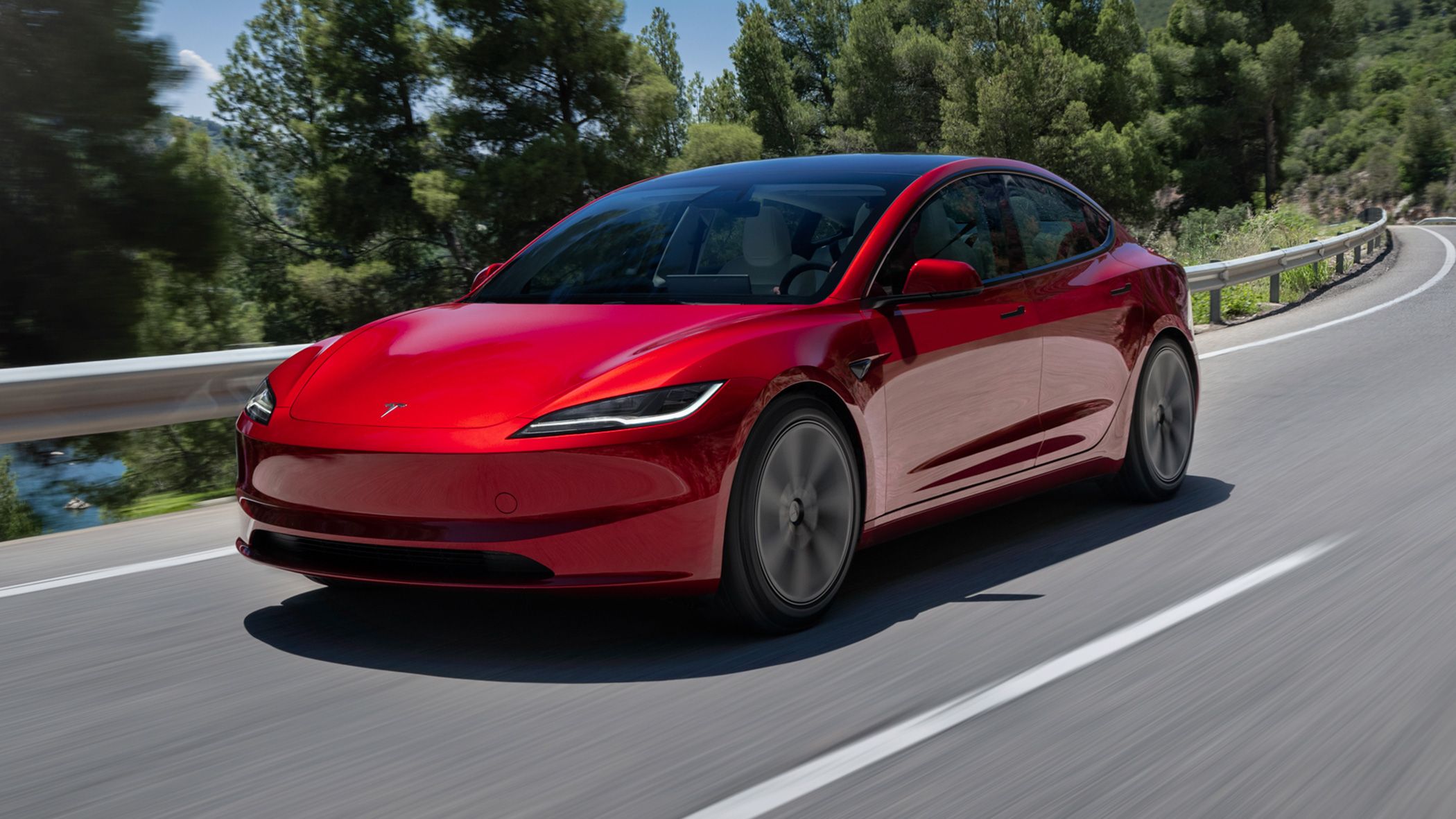
Tesla typically offers the base Rear-Wheel Drive (RWD) Model 3 from Shanghai in Canada at the reduced price. Check Tesla Canada’s online configurator for the exact trim, battery range, and listed price. Note that while the Long Range and Performance versions may still be built in the U.S., the base RWD version benefits from the Chinese production cost savings plus the tariff advantage. Pro tip: Compare the Canadian price (in CAD) with the U.S. price (in USD) after currency conversion to see the real discount—often thousands of dollars.
Step 3: Verify Your Residency and Purchase Eligibility
Tesla sells vehicles directly to consumers in Canada. To place an order, you typically need a Canadian residential address, a valid driver’s license from a Canadian province or territory, and a Canadian payment method. If you are a U.S. resident, you may still purchase from a Canadian dealership or through Tesla’s Canadian site, but you will need to arrange your own import procedures—including paying applicable U.S. customs duties and ensuring the vehicle meets U.S. safety standards. Important: Importing a non-U.S.-spec vehicle can void warranties and be costly. For most, this step is about confirming you are a Canadian buyer.
Step 4: Compare Final Price Including Taxes and Incentives
Once you select your Model 3 RWD on Tesla Canada’s site, view the full purchase estimate including any federal or provincial EV incentives (e.g., Canada’s iZEV program offers up to $5,000 CAD, and some provinces add extra rebates). Subtract these from the base price to calculate your effective cost. Compare this with the U.S. price after federal tax credits (if eligible) to gauge the overall value. For U.S. buyers considering importation: Add costs for shipping, customs duties (currently 25% for Chinese-made vehicles under Section 301 tariffs), and modifications for compliance—which could erase the price advantage.

Step 5: Evaluate the Impact on the EV Market
Understanding why Tesla can offer this low price helps contextualize the broader EV landscape. The policy change pressures other automakers (like Ford or GM) to lower their own EV prices in Canada to stay competitive. In the U.S., while the Model 3 from China remains largely unavailable due to higher tariffs, the Canadian pricing could indirectly influence U.S. customers to demand similar deals or consider cross-border purchases. Watch for shifts in Tesla’s U.S. pricing strategy—if Canadian sales surge, Tesla may adjust global allocation or eventually reduce U.S. prices to match. Takeaway: This isn’t just a Canadian bargain; it’s a signal of how trade policies shape EV affordability nationwide.
Tips and Final Considerations
- Act quickly: Policy changes are subject to revision. The current low price may not last if Canada alters tariffs again or if Tesla decides to reallocate production.
- Check for hidden fees: Delivery, documentation, and registration fees vary by province. Factor them into your budget.
- For U.S. buyers: Unless you have a Canadian residence or are willing to pay import fees, the price advantage is likely not worth the hassle. Focus on monitoring U.S. price reactions instead.
- Monitor competitor moves: Other EV makers may slash prices in Canada to compete—keep an eye on offers from Chevrolet, Hyundai, or Kia.
- Stay informed: Follow automotive news and Tesla forums for real-world experiences from buyers who completed the process.
By following these steps, you can navigate the policy change and potentially secure a Tesla Model 3 at an unusually low price. More importantly, you’ll gain insight into how international trade adjustments can directly benefit consumers—and what they might mean for the future of EV pricing across North America.